iPhone 20 Pro camera leak: what a "17nm" sensor really means, and what else is coming in 2027
A leaker says the 2027 iPhone 20 Pro gets a new main camera sensor with a 17nm logic layer. Here's what that means in plain English, the Samsung connection, how it compares with today's iPhone 18 Pro, and other 2027 camera rumours.
Disclosure: This article may contain affiliate links. If you buy through them we may earn a small commission at no extra cost to you. It never influences our editorial opinion. As an Amazon Associate, GeekyGoo earns from qualifying purchases.
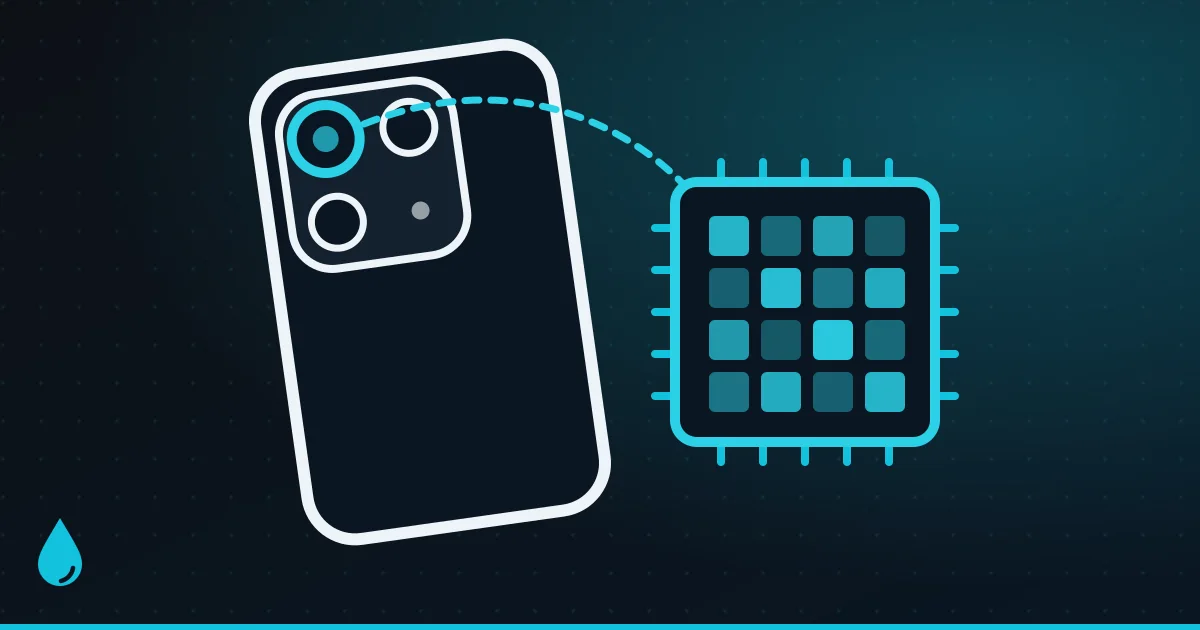
A new leak says the iPhone 20 Pro, Apple’s expected 20th-anniversary iPhone for 2027, will get a new main camera sensor. The interesting part isn’t megapixels or size. It’s a number most people have never heard used about a camera: 17nm.
That number describes the sensor’s hidden “brain” layer, not the part that catches light. Here’s what that means in plain English, why people are linking it to Samsung, how it compares with the iPhone 18 Pro you can buy today, and what else is rumoured for the 2027 iPhone camera.
Apple hasn’t announced the iPhone 20 Pro or confirmed anything about it. The leak and the other 2027 rumours below are reports, not facts, and could change.
The leak in one line
On 16 November, Weibo leaker Ice Universe posted that the iPhone 20 Pro will use a new main camera sensor with a 17nm logic process, arriving “next year”. That’s the whole leak. It doesn’t give:
- the sensor’s size
- its resolution (megapixels)
- the supplier (Sony, Samsung or Apple’s own design)
- whether the Pro Max gets it too
Ice Universe is best known for Samsung leaks, and nobody else has backed up this one yet. Some headlines described it as a new “imaging processor” or ISP, but the wording relayed by 9to5Mac and MacRumors talks about the sensor’s logic process, not a separate chip.
What “17nm logic” actually means
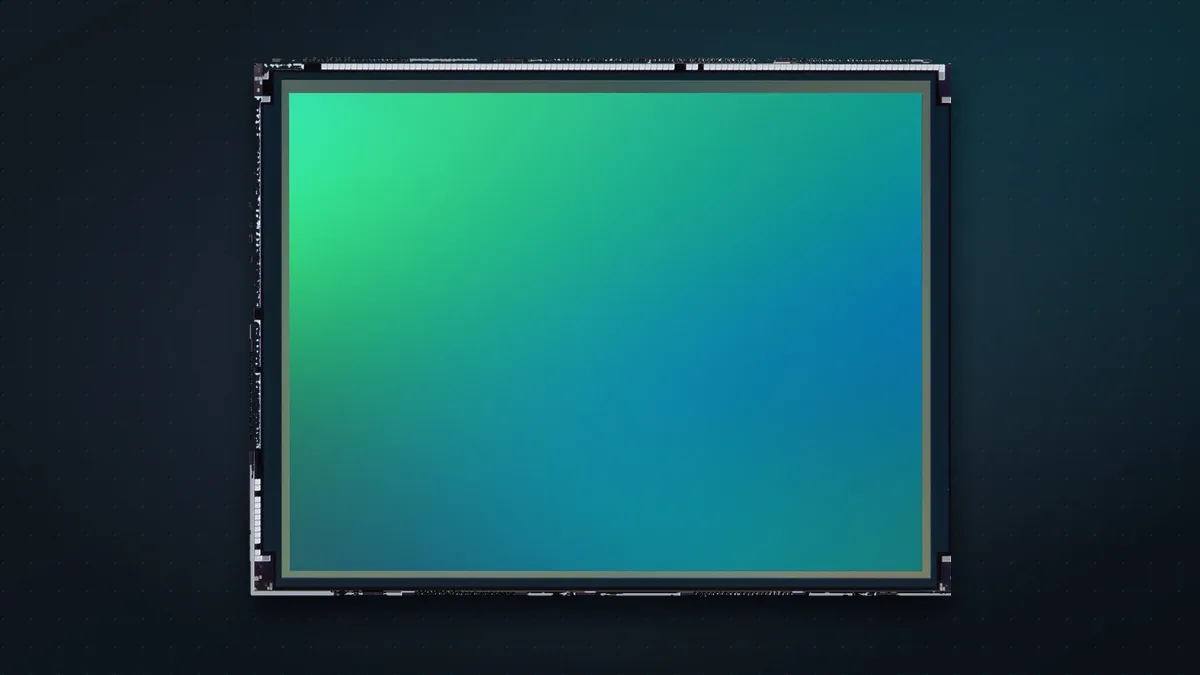
Modern phone camera sensors are built like a sandwich:
- Top layer: the pixels. Millions of tiny light-catching sites that turn light into an electrical signal.
- Bottom layer: the logic. The circuits that read those pixels out, convert them to data and do some early processing before the image reaches the iPhone’s main chip.
The “17nm” in this leak describes how finely the bottom layer’s transistors are made. A finer process packs more circuitry into the same space and uses less power. In practice, that could mean:
- Faster readout: less of the “jelly” wobble when you film or shoot fast motion, and room for higher frame rates.
- More processing on the sensor itself: for example, better HDR handling before the data even leaves the camera.
- Less heat and power for the same work, which matters in a phone shooting 4K video.
What it does not mean, by itself, is that the camera catches more light. Light gathering depends on the sensor’s size and pixel design, and the leak says nothing about either. So think of this as a speed and processing upgrade, not a night-photography revolution.
The Samsung connection
People are linking the leak to Samsung for a few reasons, but only one of them is actually about this leak:
- Samsung has a 17nm process built for this exact job. It announced its “17LPV” process for image-sensor logic back in October 2021. That’s confirmed, but it doesn’t prove Apple is using it.
- Apple confirmed a Samsung partnership. In August 2025, Apple said it’s working with Samsung at Samsung’s plant in Austin, Texas, on “an innovative new technology for making chips” that has never been used anywhere before. Apple didn’t say what the chips were.
- The Financial Times filled in the gap. It reported that the Austin project is three-layer stacked image sensors for iPhones. Samsung declined to comment.
- Sony makes today’s sensor. Teardowns identify the iPhone 18 Pro’s main sensor as a Sony part, and Sony’s logic layers are reportedly made on a different, older process. So a 17nm logic layer would be a change.
Put together, Samsung is a plausible guess, but it’s a guess. Even MacRumors notes there’s no clear link between this leak and the Samsung project. Apple has never confirmed Samsung camera sensors in any iPhone.
Where the iPhone camera is today: iPhone 18 Pro
The iPhone 18 Pro, launched in September from $1,199 (₹1,64,900 in India), already brought the biggest iPhone camera change in years. These facts are confirmed by Apple:
- 48MP main camera with Apple’s first variable aperture: six laser-cut blades that adjust from ƒ/1.48 to ƒ/4. Every Pro from the iPhone 14 Pro to the 17 Pro was fixed at ƒ/1.78.
- Wider when it’s dark: at ƒ/1.48 the lens lets in roughly 45% more light than the old ƒ/1.78, and the camera opens up automatically in low light.
- Narrower for groups: ƒ/4 keeps more of the scene sharp, which helps with group shots and close-ups.
- A “new sensor”, says Apple, which can also “sign every pixel it sees” for Apple’s photo-authenticity feature.

What Apple doesn’t say is the sensor’s size. According to DPReview’s analysis, it’s still 1/1.28-inch, the same size the iPhone Pro has used since the iPhone 14 Pro. That’s why many photographers were hoping the next upgrade would be a bigger sensor, and why this leak, which says nothing about size, is a bit of an anticlimax.
How the iPhone’s sensor compares with Android flagships
Sensor size is the single biggest factor in how much light a camera catches. Phone sensor sizes use an old “inch type” naming code, so smaller fractions mean bigger sensors (1/1.12-inch is bigger than 1/1.28-inch), and a “1-inch type” sensor isn’t actually an inch across.
| Phone | Main camera | Sensor size | Notes |
|---|---|---|---|
| iPhone 18 Pro / Pro Max | 48MP | 1/1.28” (reported) | Variable aperture ƒ/1.48–ƒ/4 |
| Samsung Galaxy S26 Ultra | 200MP | About 1/1.3” (reviews) | ƒ/1.4 |
| Google Pixel 11 Pro | 50MP | 1/1.3” | ƒ/1.68 |
| OPPO Find X9 Ultra | 200MP | 1/1.12” | Sony LYTIA 901 |
| vivo X300 Ultra | 200MP | 1/1.12” | Sony LYTIA 901 |
| Xiaomi 17 Ultra | 50MP | 1-inch type | LOFIC high dynamic range |
| vivo X500 Pro | 50MP | 1/1.28” | Sony’s first LOFIC phone sensor |
So the iPhone sits in the middle of the pack on sensor size. The “camera Ultras” from OPPO, vivo and Xiaomi use sensors roughly 35% to 70% bigger by area. Apple’s argument has always been that processing matters as much as hardware, and the 17nm logic leak fits that philosophy.
Other camera rumours for the 2027 iPhone
The 17nm leak is the newest of several. Here’s where the others stand:
- Apple’s own sensor with LOFIC. LOFIC gives each pixel a small overflow “bucket”, so bright areas don’t blow out to white and one shot can hold both deep shadows and bright highlights. One Korean blogger says an Apple-designed LOFIC sensor arrives in 2027. Another tipster says 2028, at 100MP. Apple does hold a 2025 patent for a stacked LOFIC sensor aiming at around 20 stops of dynamic range, but a patent isn’t a product.
- A 200MP telephoto. Leaker Digital Chat Station said in March that Apple was testing one. By April, the same leaker said it was unlikely before 2028.
- A bigger 1/1.12-inch main sensor. Also from Digital Chat Station’s camera roadmap, with no year attached.
- Samsung sensors in cheaper iPhones first. Analyst Ming-Chi Kuo said the first Samsung-sensor iPhones would arrive in 2027, starting with lower-tier models. A disputed report this month even links the base iPhone 18’s move to spring 2027 to Samsung’s sensor production ramping up in Austin.
Why “iPhone 20”? And what else is planned
Apple hasn’t used the name. It comes from research firm Omdia, which reported in October 2025 that Apple will skip “iPhone 19” and call its fall 2027 phones iPhone 20, marking 20 years since the original iPhone. Apple did something similar in 2017, jumping from iPhone 8 to iPhone X for the 10th anniversary. If you want the full family tree, see every iPhone in order.
On design, Bloomberg’s Mark Gurman reported in August that a “glass-centric” anniversary redesign, with curved glass running into the sides, is still on track for September 2027. Analysts at Jefferies said the all-glass design had been dropped. Expect more conflicting reports before then.
Should you wait for the iPhone 20 Pro?
- Buy the iPhone 18 Pro now if your phone is two or more years old. The variable aperture is a real upgrade, especially in low light, and the 2027 camera changes are still rumours. Our which iPhone to buy guide covers the full lineup.
- Wait if you already have an iPhone 17 Pro or 18 Pro, or if you specifically want the anniversary redesign. The iPhone 20 Pro is roughly ten months away, and a single leak about the sensor’s logic layer isn’t a reason to hold off on its own.
- Look at an Android “Ultra” if raw sensor size matters most to you today. OPPO, vivo and Xiaomi all ship bigger main sensors than the iPhone right now.
FAQ
What did the iPhone 20 Pro camera leak say? Weibo leaker Ice Universe said the iPhone 20 Pro’s main camera will use a new sensor with a 17nm logic process, arriving in 2027. It gave no details about size, megapixels or supplier.
What does 17nm mean for a camera sensor? It describes how finely the sensor’s bottom “logic” layer is made. That layer reads out and processes the pixel data. A finer process can mean faster readout, more on-sensor processing and lower power, but it doesn’t by itself capture more light.
Will the iPhone 20 Pro use a Samsung camera sensor? Unconfirmed. Samsung has a 17nm process designed for image-sensor logic, and Apple confirmed it’s working with Samsung on a new chipmaking technology in Austin, Texas. But no report directly links this leak to Samsung, and today’s iPhone 18 Pro main sensor is reportedly made by Sony.
Is the iPhone 20 Pro camera sensor bigger? The leak doesn’t say. The iPhone 18 Pro’s main sensor is reportedly 1/1.28-inch, unchanged since the iPhone 14 Pro, and a bigger sensor has been rumoured but with no confirmed year.
When will the iPhone 20 Pro launch? If Apple follows its usual schedule, September 2027. Apple hasn’t announced the phone or confirmed the iPhone 20 name.
Does the iPhone 18 Pro have a variable aperture? Yes. Both the iPhone 18 Pro and Pro Max have a six-blade variable aperture that adjusts from ƒ/1.48 to ƒ/4, a first for an iPhone.
Watch: this guide in 4 minutes
More short videos
Sources & further reading
- 9to5Mac — New camera sensor coming to the iPhone 20 Pro, says leaker (16 Nov 2026)
- MacRumors — iPhone 20 Pro rumored to get new 17nm camera sensor (16 Nov 2026)
- Apple Newsroom — Apple debuts iPhone 18 Pro and iPhone 18 Pro Max (9 Sep 2026)
- Apple — iPhone 18 Pro tech specs
- Apple Newsroom — Apple increases US commitment, American Manufacturing Program (6 Aug 2025)
- MacRumors — Apple to switch to US-made iPhone image sensors (FT report, 7 Aug 2025)
- Image Sensors World — Samsung introduces 17nm FinFET process for image sensors (Oct 2021)
- DPReview — How the new iPhone 18 Pro stacks up to its predecessors (11 Sep 2026)
- MacRumors — Apple to skip iPhone 19 name (Omdia via ETNews, 23 Oct 2025)
- MacRumors — 200MP telephoto iPhone lens unlikely before 2028 (21 Apr 2026)
- MacRumors — Apple custom image sensor for 20th-anniversary iPhone (27 Oct 2025)
- PetaPixel — Apple patents image sensor with 20 stops of dynamic range (Jul 2025)
- 9to5Mac — Apple 20th-anniversary iPhone redesign reportedly remains on track (10 Aug 2026)
- Sony Semiconductor Solutions — LYTIA 901 announcement (Nov 2025)
- Sony Semiconductor Solutions — LYTIA L910, first LYTIA sensor with LOFIC (Jun 2026)
- OPPO — Find X9 Ultra camera and 1/1.12-inch main sensors
Keep reading

iPhone Duo gets face unlock in iOS 27.3 beta: how it works, and how safe it is
iOS 27.3 beta 2 lets a closed iPhone Duo unlock with its front camera. It isn't Face ID: how it works, its limits, how safe it is, and how to try it.
Read more →
Apple smart glasses: release date, features, and why Siri is the whole story
Apple's first smart glasses reportedly have no screen and no apps of their own: Siri does everything through your iPhone. Release date, features, price, and how they compare with Meta and Google.
Read more →
How to use Gemini on Apple CarPlay: setup, what to ask, and the catches
Google's Gemini app now runs on Apple CarPlay. How to set it up in two minutes, what to ask it on the road, what it can't do, and what works in India.
Read more →