iPhone Duo: pros, cons, and should you buy Apple's first foldable?
Apple's first foldable iPhone costs $1,999 (₹2,99,900). What reviewers love and don't, how it compares with rival foldables, and who should buy one.
Disclosure: This article may contain affiliate links. If you buy through them we may earn a small commission at no extra cost to you. It never influences our editorial opinion.
Apple has finally folded. The iPhone Duo, its first foldable iPhone, goes on sale today, 23 October 2026, in more than 70 countries including the US, UK and India. Pre-orders sold out within minutes. It’s also the most expensive iPhone Apple has ever made, at $1,999 / ₹2,99,900.
So is it worth it? We haven’t had our own hands-on time yet, so this guide pulls together Apple’s official specs and what the first wave of reviewers found, then gives you a straight answer on who should buy one.
iPhone Duo at a glance
| iPhone Duo | |
|---|---|
| Price | From $1,999 · ₹2,99,900 · £1,999 (256GB) |
| Screens | 7.6-inch inner (folding) and 5.4-inch outer, both 120Hz ProMotion OLED |
| Size and weight | 5.2 mm thin open, 11.3 mm closed; 254 g |
| Chip | A20 Pro (the same as iPhone 18 Pro) |
| Rear cameras | 48MP main + 48MP ultra wide (no telephoto) |
| Unlock | Touch ID in the side button (no Face ID) |
| Battery | Up to 31 hours of video on the inner screen (Apple’s figure) |
| Water and dust | IP68 |
| Storage | 256GB, 512GB, 1TB, 2TB |
| Colours | Star White, Night Sky |
What exactly is the iPhone Duo?
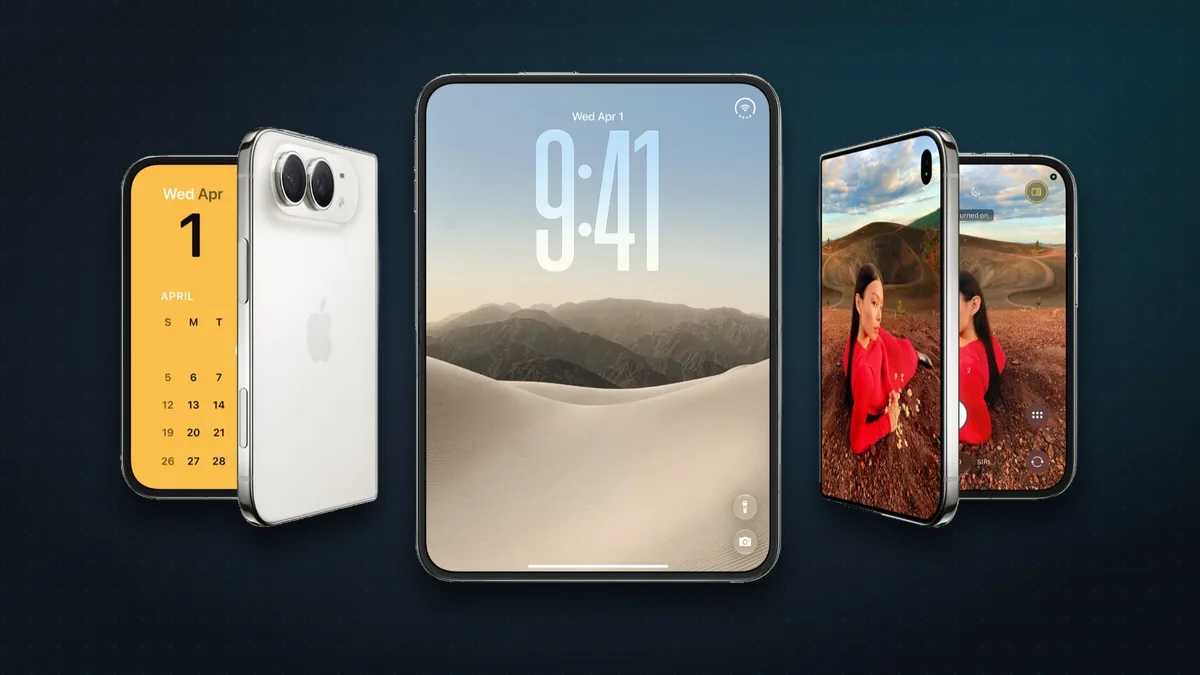
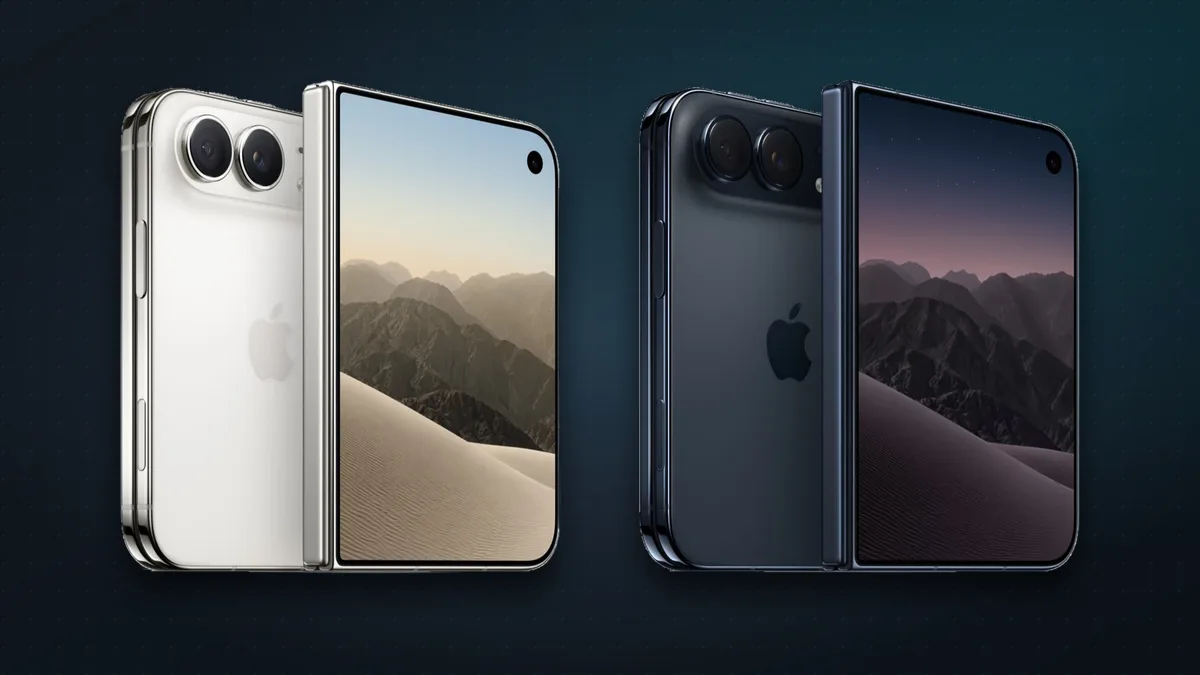
It’s a book-style foldable, like Samsung’s Galaxy Z Fold. Closed, it’s a compact phone with a 5.4-inch screen that Apple says has 90% of the screen area of an iPhone 18 Pro. Open it and you get a 7.6-inch screen, the biggest ever on an iPhone, which Apple says is 50% larger than the 18 Pro Max’s.
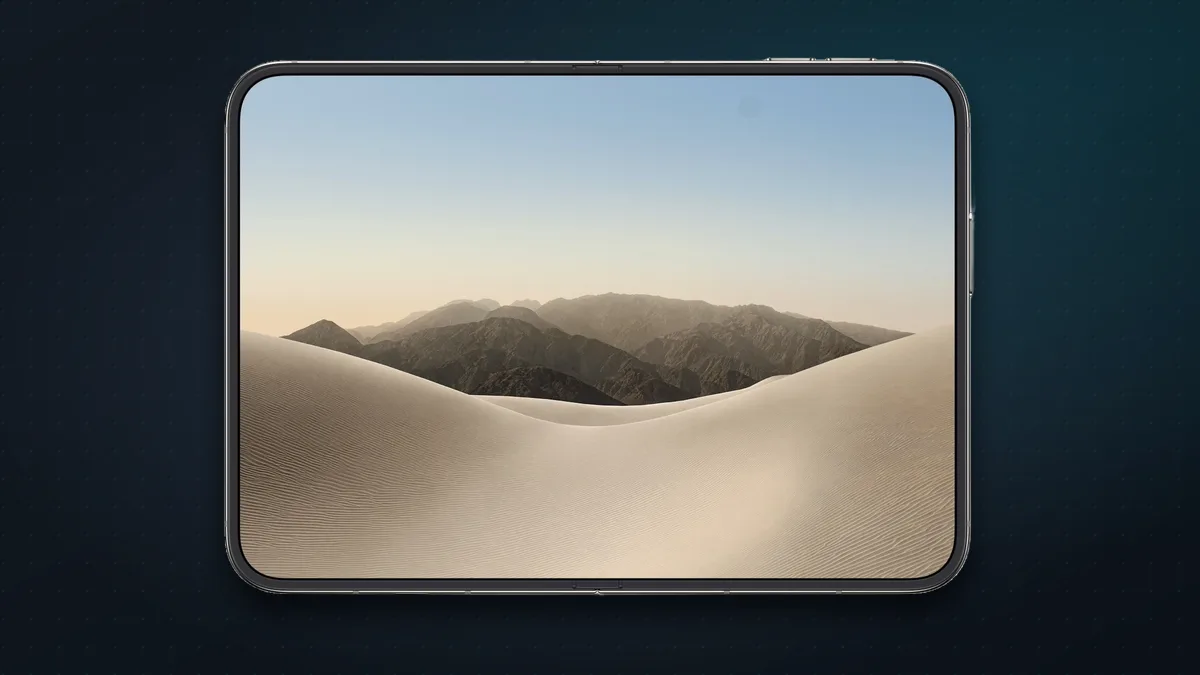
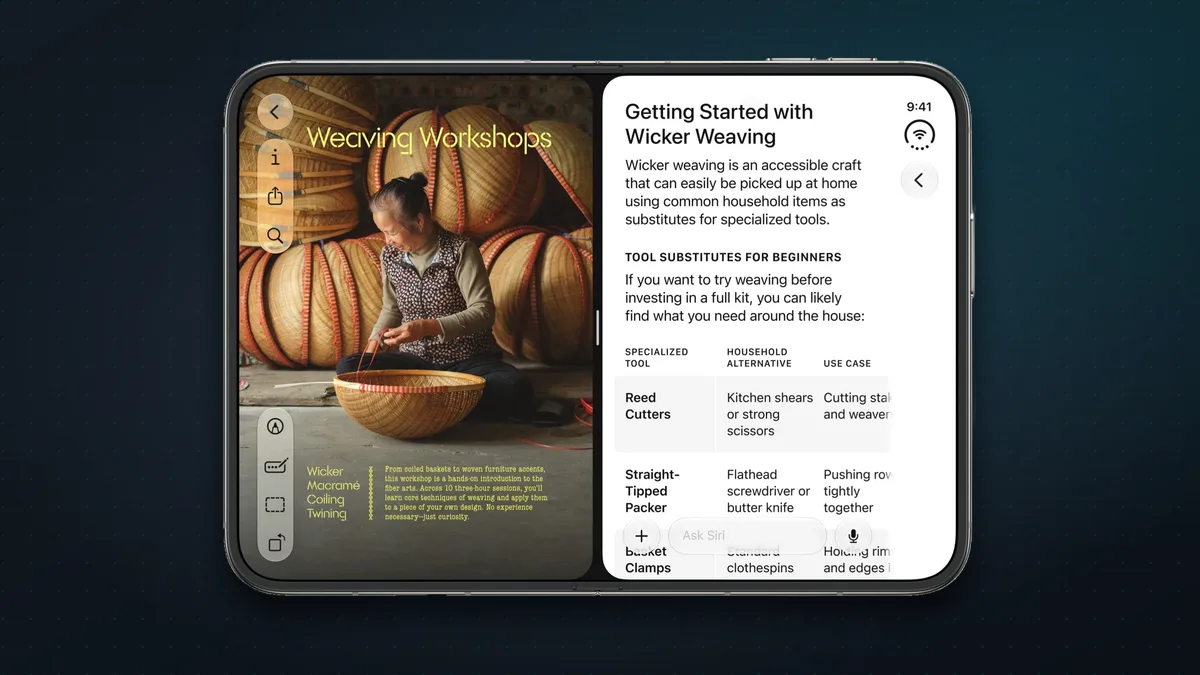
The frame is titanium and the hinge, made of more than 100 parts, lets you prop it half-open on a table. It runs iOS 27.1, not iPadOS, but adds some iPad-style tricks: for the first time on an iPhone you get Split View, with two apps side by side. Apple Pencil support is promised later this year.
The pros
Reviewers were remarkably consistent on what Apple got right. Engadget gave it 8.8/10 and called it a first-class foldable, and most outlets landed in the same “impressive” range.
- The crease is barely there. A matte, anti-glare finish on the inner screen hides the fold better than rivals, and it was the single most-praised feature across reviews. You can still see it at angles and feel it under a finger, but nobody found it distracting.
- The hinge and build feel premium. Reviewers loved how solid it feels opening and closing. The Wall Street Journal’s Joanna Stern had a machine fold it more than 32,000 times; the hinge got only slightly stiffer.
- It’s fast. The A20 Pro matches the iPhone 18 Pro and beat the Galaxy Z Fold 8 and Pixel 11 Pro Fold in reviewers’ benchmarks.
- Multitasking finally comes to iPhone. Split View, two windows of the same app, and saved app pairs make the big screen genuinely useful for reading, email and work.
- It’s properly water-resistant. IP68 means it can survive a dunk, unlike the Galaxy Z Fold 8, which is only IP48.
- Battery life beats other foldables. In Engadget’s video test it lasted 28 hours 48 minutes, slightly ahead of the Fold 8, and other outlets also put it ahead of its folding rivals.
The cons
- Many apps aren’t ready. This was the biggest complaint. Lots of third-party apps show black bars or odd rotated layouts on the big screen until developers update them for iOS 27.1. Netflix, Zoom and Slack are already optimised; plenty of others aren’t.
- No telephoto camera. The Duo has a 48MP main and a 48MP ultra wide, but no zoom lens (2x is “optical-quality”, digital zoom goes to 10x). The iPhone 18 Pro and the Pixel 11 Pro Fold both zoom far better.
- No Face ID. You unlock with Touch ID in the side button, which some reviewers found unreliable at times. After years of Face ID, almost every review mentioned missing it.
- It’s heavy and thick. At 254 g it’s the heaviest iPhone ever, and 11.3 mm thick when closed. The Galaxy Z Fold 8 is 201 g.
- The price. $1,999 is about $100 more than its Samsung and Google rivals, and $700 more than an iPhone 18 Pro Max with the same chip.
- It can run warm, and under heavy use the battery trails the 18 Pro Max.
- It’s eSIM-only everywhere, including India, so there’s no physical SIM slot.
Price and availability
| Storage | US | India | UK |
|---|---|---|---|
| 256GB | $1,999 | ₹2,99,900 | £1,999 |
| 512GB | $2,199 | ₹3,24,900 | £2,199 |
| 1TB | $2,599 | ₹3,74,900 | £2,599 |
| 2TB | $3,199 | ₹4,49,900 | £3,199 |
It’s on sale now, but good luck getting one quickly. Apple called pre-order demand “extraordinary”, and delivery dates have slipped into January 2027 in many countries, including India. Indian buyers can get bank cashback, trade-in credit and no-cost EMI through Apple and its partners; check the latest offers before you order.
Repairs: budget for AppleCare+
A folding screen is the most fragile part of any foldable, and replacing the Duo’s is expensive:
- Inner screen out of warranty: $999 in the US, ₹1,49,900 in India.
- With AppleCare+: the inner screen drops to a $99 service fee in the US. AppleCare+ costs $19.99 a month in the US and ₹51,900 in India.
- The EU’s repairability rating gives it a middling C.
If you buy one, AppleCare+ is close to essential.
How it compares
| iPhone Duo | Galaxy Z Fold 8 | Pixel 11 Pro Fold | iPhone 18 Pro Max | |
|---|---|---|---|---|
| US price | $1,999 | $1,899.99 | $1,899 | $1,299 |
| Inner screen | 7.6-inch | 7.6-inch | 8-inch | Doesn’t fold |
| Weight | 254 g | 201 g | 239 g | about 249 g |
| Water resistance | IP68 | IP48 | IP68 | IP68 |
| Telephoto | No | No (the $2,099.99 Fold 8 Ultra has 3x) | 5x | Yes (up to 8x optical-quality) |
- Galaxy Z Fold 8: much lighter and thinner, with similar photo quality in Engadget’s testing, but weaker water resistance and shorter battery life.
- Pixel 11 Pro Fold: bigger screens and a real 5x telephoto, but slower and with shorter battery life than the Duo in reviewers’ tests.
- iPhone 18 Pro Max: the same chip, better cameras and battery, and Face ID, for $700 (₹1,20,000) less. You just don’t get the folding screen.
Should you buy the iPhone Duo?
Buy it if you’re deep in Apple’s world, you read, email or work on your phone a lot, and you’ve wanted a foldable but didn’t want to leave iPhone. The hardware is excellent, and the big screen with Split View is a real upgrade for productivity.
Skip it if photography matters most to you (get the iPhone 18 Pro or Pro Max), you hate heavy phones, or $2,000 is a stretch. For the same money you could buy an iPhone 18 Pro and an iPad.
Wait if you’re curious but not desperate. Apps will get better as developers update them, Apple Pencil support is still coming, and delivery dates are already months out. A few months’ patience costs you nothing, and first-generation foldables usually get lighter and better-equipped in their second year.
The bottom line
The iPhone Duo is a superb first attempt: the best crease, hinge and battery life of any foldable reviewers have tried, wrapped in a very Apple package. But it’s a first-generation product with first-generation compromises: a missing telephoto, no Face ID, apps that aren’t ready yet, and a price that’s hard to justify next to an iPhone 18 Pro Max. For most people, the 18 Pro Max is the smarter buy today. If you’ve been waiting years for a folding iPhone and money isn’t the issue, though, this is the one to get. Just add AppleCare+.
Still deciding between platforms? See our Apple vs Android guide.
Sources & further reading
- Apple Newsroom — Apple unveils iPhone Duo
- Apple — iPhone Duo tech specs
- Apple India — Buy iPhone Duo
- Engadget — Apple iPhone Duo review
- 9to5Mac — iPhone Duo review
- MacStories — iPhone Duo review roundup
- Macworld — iPhone Duo review roundup
- 9to5Mac — iPhone Duo repair costs
- 9to5Mac — Apple calls iPhone Duo demand extraordinary as ship dates slip
- Digit — iPhone Duo India price, offers and repair costs
- PC Guide — iPhone Duo vs Galaxy Z Fold 8 vs Pixel 11 Pro Fold
- Samsung — Galaxy Z Fold8 key specs and features
- Beebom — iPhone Duo battery capacity and EU label
Keep reading
Which iPhone should you buy in 2026?
Apple now sells seven iPhones, from $699 to $1,999, including the iPhone 18 Pro, 18 Pro Max and foldable Duo. Here's which one is right for you.
Read more →
Apple vs Android in 2026: an honest guide to picking your side
iPhone or Android in 2026? Neither is simply better. Here's where each one genuinely wins, and the one question that should decide it for you.
Read more →
Which Mac should you buy in 2026?
MacBook Air, Pro, mini, iMac or Studio? How to pick the right Mac for what you actually do, plus the one spec that matters most before you check out.
Read more →