Apple vs Android in 2026: an honest guide to picking your side
iPhone or Android in 2026? Neither is simply better. Here's where each one genuinely wins, and the one question that should decide it for you.
“Which is better, Apple or Android?” is the wrong question — and it’s been the wrong question for years. In 2026 both make genuinely phenomenal phones, and the tired “my side is smarter than your side” war is over. The honest truth: they’re two different philosophies, and the right one for you depends less on spec sheets than on how you live and what you already own. Here’s the straight breakdown.
First: the one question that actually decides it
Before benchmarks, cameras, or price, ask yourself this:
What do the people and devices around me already use?
This is the single biggest factor, and almost nobody weighs it enough. Phones don’t live alone anymore — they live in an ecosystem:
- If your family texts on iMessage, you own an Apple Watch or AirPods, and your photos live in iCloud — an iPhone slots in with zero friction, and leaving means giving all that up.
- If you’re deep in Google (Gmail, Photos, Drive, Assistant), own a Pixel Watch or Galaxy gear, or your household is on Android — you’ll feel right at home there instead.
Ecosystem gravity is real. The “best” phone that fights everything else you own will annoy you daily. Start here, then let the details below break any tie.
Where Apple wins
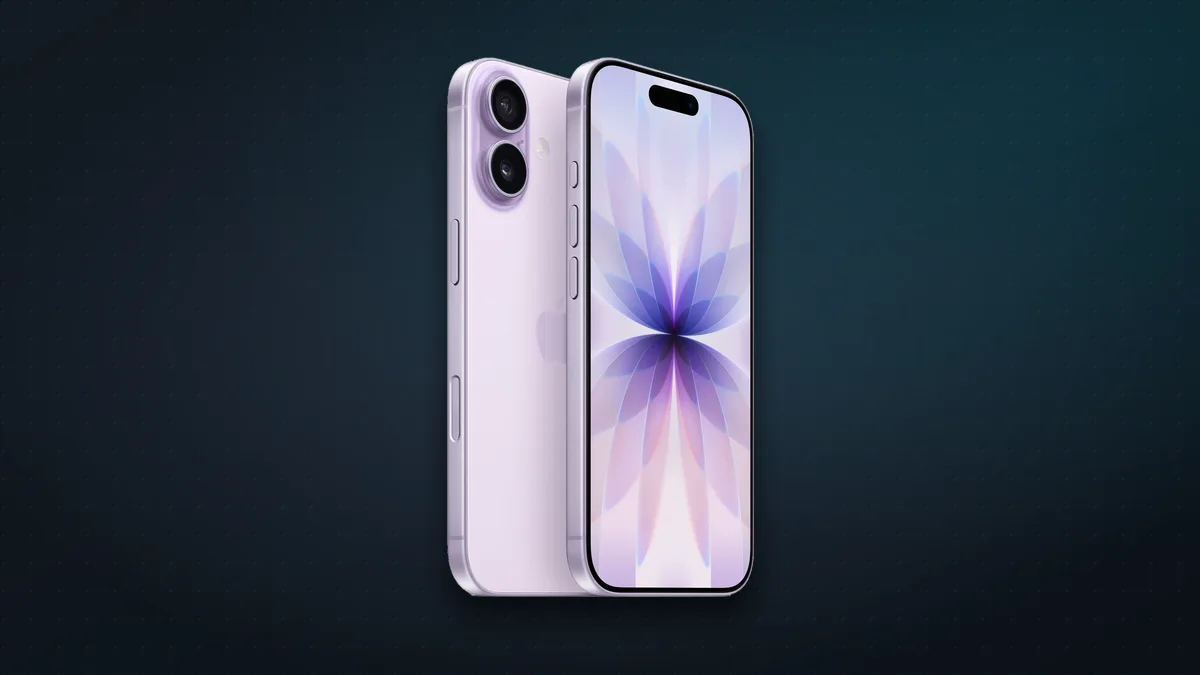
- Ecosystem magic. iPhone + Watch + AirPods + Mac + iPad is the tightest, most seamless setup in tech. AirDrop, Handoff, universal clipboard, instant device switching — it “just works” in a way Android still can’t fully match.
- Long software support. A 2026 iPhone gets roughly six years of updates. Buy one and it stays current — and holds resale value — for ages.
- Privacy by default. Apple’s whole pitch is doing more on your device and selling you hardware, not your data. If privacy is a priority, iOS defaults lean your way.
- Simplicity and consistency. One company makes the phone and the software, so it’s predictable, polished, and easy to hand to a less techy relative.
- Resale value. iPhones depreciate slower than almost any Android phone — a real hidden saving.
Where Android wins
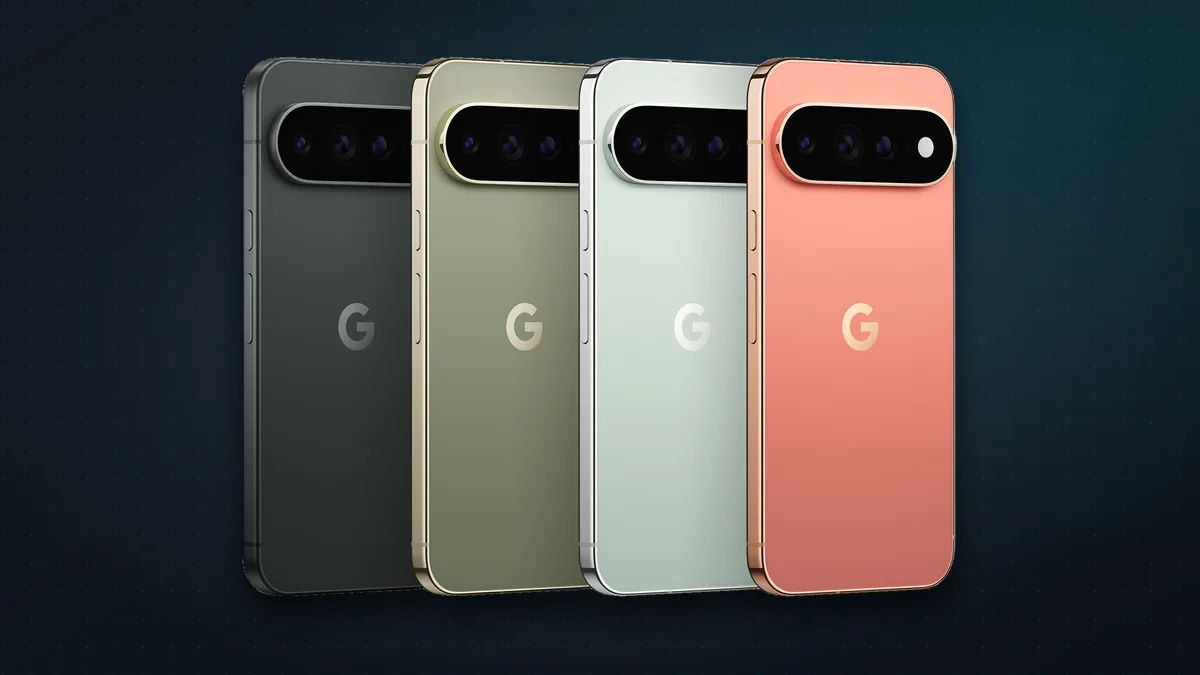
- Choice at every price. Android spans $150 to $1,800. Whatever your budget, there’s a phone for it — the Google Pixel 10a at around $499 is a genuine value champion, with a camera that punches far above its price.
- Customization and freedom. Home screens, launchers, default apps, widgets, deep settings — Android lets you make the phone yours in ways iOS locks down.
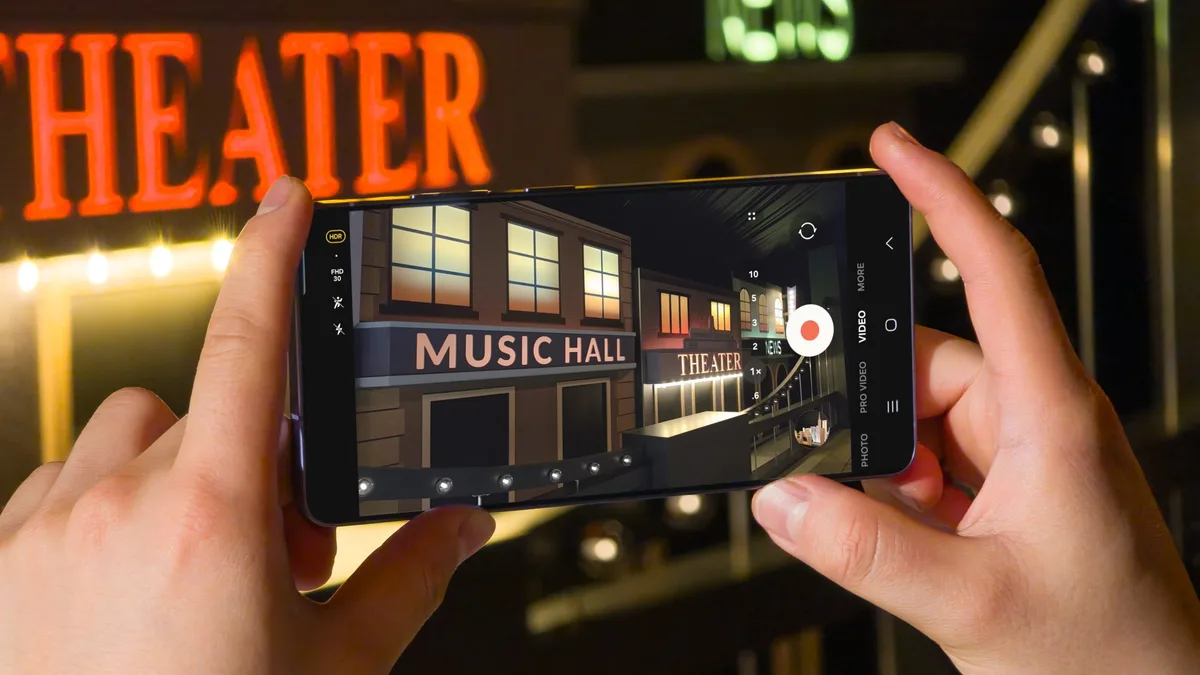
- Hardware variety. Want a folding phone, a periscope zoom, a stylus, a tiny phone, or a giant battery? Android has it. The Samsung Galaxy S26 Ultra is the do-everything flagship; Google’s Pixel 10 Pro XL is a critics’ pick for best phone you can buy today.
- Faster charging and more for your money. Android flagships often out-spec iPhones on charging speed, RAM, and raw features at the same price.
- Openness. Sideloading, file-system access, USB-C that behaves like a real computer port, and — new in 2026 — a proper desktop mode when you plug into a monitor.
AI in 2026: Apple Intelligence vs Gemini
This is where the two philosophies show most clearly.
- Apple Intelligence is private and on-device first — tightly woven into Notes, Mail, Messages, and Siri, with strong image tools and features like call summaries and Hold Assist. It’s polished and safe, but deliberately narrower.
- Google’s Gemini is the more capable, proactive assistant across the widest range of tasks — translation, summarization, search help, and contextual answers. In raw AI ability across 2026, Gemini is ahead; Apple leads on privacy and integration.
The honest read: if you want the smartest, most powerful AI assistant, Android has the edge right now. If you want AI that stays on your device and out of the cloud, Apple’s approach fits better.
The lock-in reality (and how to switch)
Be clear-eyed: switching sides has a cost.
- Paid apps and games don’t transfer — you re-buy them on the other store.
- iMessage blue bubbles, FaceTime, and AirDrop are Apple-only (though universal RCS messaging has closed the green-bubble gap a lot).
- Accessories — an Apple Watch won’t pair with Android, and vice versa.
If you do switch, both sides now offer solid migration tools that move contacts, photos, messages, and most data across. It’s easier than ever — just budget an afternoon and expect to repurchase a few apps.
So which should you buy?
- You value simplicity, privacy, and a seamless Apple ecosystem → iPhone. See our iPhone buying guide to pick the right one.
- You want choice, customization, or the most phone for your money → Android — a Pixel for the best software-and-camera blend, a Galaxy for the do-everything flagship, or a Pixel 10a to save.
- You live in Google’s world (Gmail, Photos, Android household) → Android, no contest.
- You already own a Watch, AirPods, Mac, or iPad → iPhone — the ecosystem payoff is too good to leave.
- You’re a tinkerer or a power user → Android, for the freedom.
At a glance
| What matters to you | Apple (iPhone) | Android |
|---|---|---|
| Ecosystem | Best-in-class (Watch, AirPods, Mac) | Best with Google gear |
| Price range | ~$599 and up | ~$150 to $1,800 |
| Customization | Limited, tidy | Deep and flexible |
| Software updates | ~6 years, consistent | Now up to ~7 on Pixel/Galaxy |
| AI assistant | Apple Intelligence (private) | Gemini (more capable) |
| Privacy defaults | Strongest | Good, more configurable |
| Hardware variety | Narrow, refined | Huge (foldables, styluses, sizes) |
| Resale value | Excellent | Varies, usually lower |
Three myths to ignore
- “Android is laggy and insecure.” Not in 2026. Flagship Android is buttery, and both platforms are very secure when kept updated.
- “iPhones are overpriced.” They hold value and get years of updates — the cost-per-year is often closer than the sticker suggests. (Though Android wins outright at the low end.)
- “You must match whatever’s popular.” Match your ecosystem and needs, not the crowd. Both platforms are excellent — the wrong choice is only the one that fights the rest of your life.
The bottom line
There is no winner in Apple vs Android — only the right fit. Choose iPhone for a private, seamless, low-hassle experience that clicks with an Apple ecosystem. Choose Android for freedom, variety, cutting-edge AI, and more phone at every price. Answer the ecosystem question honestly, weigh the two or three things you actually care about, and you genuinely can’t go wrong.
Leaning Apple? Start with our iPhone buying guide. Want more gear help? Browse the Reviews section.
Sources & further reading
Keep reading
iPhone Duo: pros, cons, and should you buy Apple's first foldable?
Apple's first foldable iPhone costs $1,999 (₹2,99,900). What reviewers love and don't, how it compares with rival foldables, and who should buy one.
Read more →
Which Mac should you buy in 2026?
MacBook Air, Pro, mini, iMac or Studio? How to pick the right Mac for what you actually do, plus the one spec that matters most before you check out.
Read more →
Which iPhone should you buy in 2026?
Apple now sells seven iPhones, from $699 to $1,999, including the iPhone 18 Pro, 18 Pro Max and foldable Duo. Here's which one is right for you.
Read more →